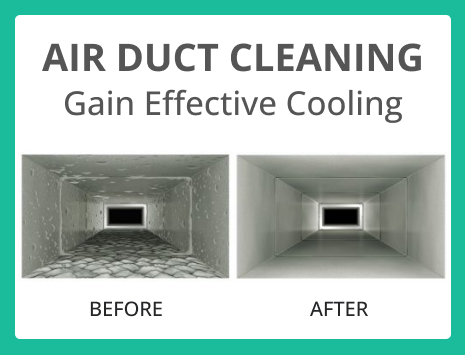
An air conditioner is essential in the scorching summer months. However, many homeowners overlook the importance of regular AC maintenance, which often leads to reduced cooling efficiency, increased energy consumption, and even costly repairs.
By mastering do-it-yourself (DIY) AC maintenance, you can ensure optimal cooling comfort, extend the lifespan of your unit, and improve indoor air quality. In this article, we will guide you through the essential steps of DIY AC maintenance, empowering you to take control of your cooling comfort.
Understanding the basics of ac maintenance
To effectively maintain your AC system, it’s crucial to understand its key components and their functions. The condenser, evaporator, filters, and thermostat all play vital roles in keeping your home cool and comfortable.
Regular maintenance helps identify potential issues before they become major problems, preventing breakdowns and costly repairs. For optimal results, AC Maintenance Fort Lauderdale services should be hired once or twice a year, depending on your system and usage patterns.
DIY ac maintenance tips
1. Cleaning and changing air filters:
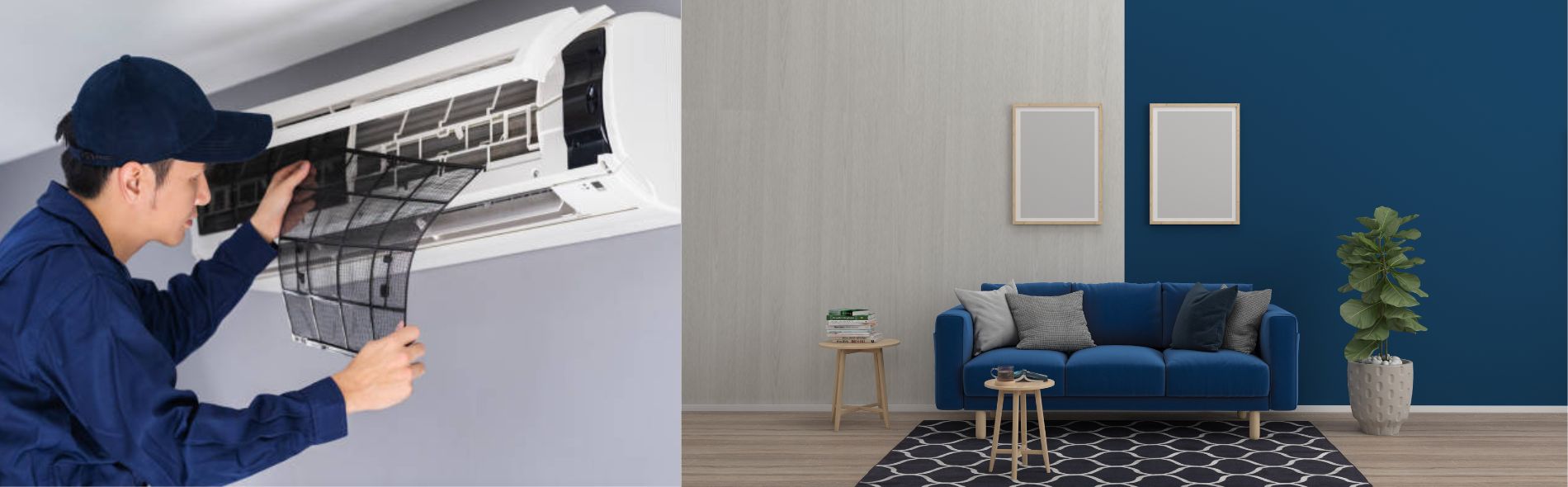
Air filters are essential for maintaining healthy indoor air quality and ensuring proper airflow. However, when filters become clogged with dust, dirt, and allergens, it starts obstructing AC performance.
- To clean reusable filters, carefully remove them and gently wash them with mild soap and water.
- Allow them to dry completely before reinstalling.
- Disposable filters should be replaced according to the manufacturer’s recommendations, typically every one to three months.
2. Clearing condenser unit:
The condenser unit located outside your home releases heat from your AC system. However, it can become clogged with debris, dirt, and vegetation, reducing AC efficiency.
- Start by turning off the power supply to the condenser.
- Now, remove visible debris from the surrounding area, such as leaves or twigs.
- Use a soft brush or vacuum to clean the fins and coils, being careful not to damage them.
- Trim any vegetation within a two-foot radius of the unit to ensure proper airflow.
3. Checking and cleaning evaporator coils:
The evaporator coils absorb heat from your home’s air and facilitate cool air circulation. However, over time, these coils can accumulate dust and dirt, hampering their performance and potentially leading to ice formation.
To clean the evaporator coils:
- Start by turning off the power to the AC system.
- Gently remove visible debris using a soft brush or vacuum cleaner.
- Consider using a commercial coil cleaner or a homemade solution of mild detergent and warm water for a deeper clean.
- Thoroughly rinse the coils and allow them to dry completely before restoring power.
4. Ensuring proper drainage:
Proper condensate drainage is essential to prevent water leaks and moisture-related issues. Inspect the condensate drain line for any clogs or blockages.
- Use a wet/dry vacuum or a specialized condensate drain cleaning tool to clear any obstructions.
- Additionally, ensure that the drain pan beneath the evaporator coils is clean and free of debris.
5. Thermostat calibration:
An accurately calibrated thermostat is crucial for maintaining comfortable indoor temperatures as well as maximizing energy savings.
To ensure proper calibration:
- Start by removing the thermostat cover and using a soft brush or compressed air to remove dust or debris.
- Check the accuracy of the temperature readings using a separate thermometer.
- Adhere to the manufacturer’s instructions to recalibrate or adjust the thermostat settings if necessary.
Additional maintenance considerations
While DIY maintenance is essential, it’s also important to schedule professional AC maintenance Fort Lauderdale sessions at least once a year.
- HVAC experts can perform a comprehensive inspection, clean hard-to-reach components, and identify potential issues that may require professional attention.
- Their expertise ensures a thorough assessment of your AC system, including electrical connections, refrigerant levels, and overall performance.
- Professional maintenance visits provide peace of mind, as they help you catch problems early on, potentially saving you from costly repairs or even the need for a complete system replacement.
Safety considerations for DIY ac maintenance
Prioritizing safety throughout your DIY AC maintenance routine is crucial.
- Before performing any maintenance tasks, turn off the power to your AC system to avoid electric shock.
- Additionally, always refer to the manufacturer’s instructions for guidance on maintenance procedures and safety precautions.
In conclusion, mastering DIY AC maintenance is a valuable skill that can greatly contribute to your ultimate cooling comfort. By understanding the basics of your AC system, cleaning and changing air filters regularly, clearing the condenser unit, checking and cleaning evaporator coils, ensuring proper drainage, and calibrating the thermostat, you can keep your AC system running smoothly and efficiently.
However, it’s important to complement your DIY efforts with professional AC maintenance Fort Lauderdale visits to ensure a comprehensive inspection and address any complex issues. Combining your proactive DIY maintenance with expert guidance can maximize the lifespan of your AC system and improve energy efficiency so that you can enjoy ultimate cooling comfort throughout the hot summer months.